 By simon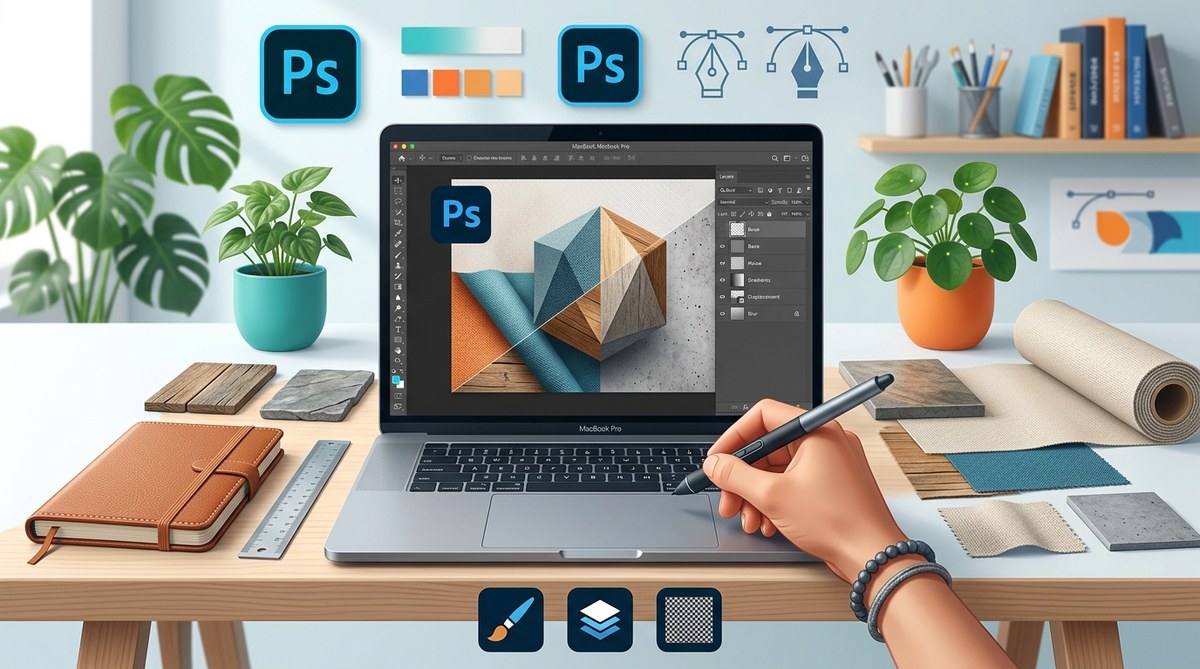
Creating realistic textures in Photoshop can transform flat designs into visually rich masterpieces. Whether you aim to add a concrete wall’s ruggedness or a fabric’s softness, mastering texture creation elevates your work. Authentic textures breathe life into your projects, making them more engaging and believable. This guide walks you through proven methods to develop high-quality textures that seamlessly blend into your compositions. Let’s unlock your creative potential and give your designs a professional edge.
Creating realistic textures in Photoshop involves understanding foundational techniques, sourcing or crafting high-quality images, and applying various editing methods. Combining these steps with patience and experimentation results in textures that add depth and authenticity. Use layer modes, brushes, and filters thoughtfully to mimic real-world surfaces. Practice regularly and study textures from real materials to improve your skills and elevate your digital designs with genuine, compelling textures.
Understanding the Basics of Realistic Textures in Photoshop
Before diving into creation, it’s essential to grasp what makes a texture appear authentic. Realistic textures reflect the surface’s unique properties, including its roughness, pattern, color variations, and imperfections. Photoshop offers a variety of tools to mimic these features, but knowing their purpose helps you decide when and how to use them.
Textures can be categorized into two types: seamless and non-seamless. Seamless textures can tile repeatedly without visible borders, perfect for backgrounds or large surfaces. Non-seamless textures often serve as detail overlays or specific surface representations. Recognizing these differences guides your approach and ensures your textures look natural.
Step-by-Step Process to Create Realistic Textures
Follow these steps to craft authentic textures that enhance your designs:
1. Gather or Create Your Base Image
Start with a high-quality photograph or scan of the surface you want to mimic. You can shoot textures yourself, such as concrete, wood grain, fabric, or stone. Alternatively, browse free resources like FreeTexture for quality images. Ensure the image resolution is high enough for detailed work.
2. Prepare and Edit the Image
Open your image in Photoshop. Use adjustment layers to tweak brightness, contrast, and color to match your desired look. Cropping or straightening might be necessary for better composition. Applying a slight blur can smooth out noise but preserve surface details.
3. Make the Texture Seamless (if needed)
Seamless textures are crucial for backgrounds. To create one:
- Use the Offset filter (Filter > Other > Offset).
- Set horizontal and vertical offsets to half the image size.
- Fix visible seams with the Clone Stamp or Healing Brush tools.
- Repeat until the texture tiles smoothly.
4. Enhance the Texture’s Depth and Detail
Add realism by enhancing surface irregularities:
- Use the Dodge and Burn tools to accentuate highlights and shadows.
- Apply high-pass sharpening (Filter > Other > High Pass) to boost fine details.
- Use noise filters (Filter > Noise > Add Noise) sparingly to mimic surface grain.
5. Adjust Layer Blending Modes
Layer blending modes dramatically influence how textures integrate with your design:
- Overlay, Soft Light, and Multiply are popular for blending textures.
- Experiment with opacity settings to control intensity.
- Use layer masks to selectively apply texture effects, focusing on areas needing more detail.
6. Use Custom Brushes for Additional Effects
Photoshop brushes can add subtle surface imperfections, scratches, or grain. Download or create brushes that resemble the texture you’re aiming for. Painting with these brushes on new layers and setting blending modes can add authenticity.
7. Final Touches and Export
Apply finishing adjustments such as color grading or contrast enhancements. Save your texture as a PNG or JPEG for use in projects. Consider creating a set of variations for different lighting or color schemes.
Practical Techniques and Common Mistakes
| Technique | What it Does | Mistake to Avoid |
|---|---|---|
| Using high-resolution images | Ensures detail remains sharp | Using low-res images leads to blurry textures |
| Creating seamless tiles | Prevents visible borders | Forgetting to fix seams causes obvious repetitions |
| Applying layer modes | Blends textures naturally | Overusing opacity or modes can overpower the design |
| Adding imperfections | Mimics real surfaces | Overdoing scratches or noise makes textures look fake |
| Using non-destructive edits | Preserves original image | Excessive use of destructive adjustments reduces flexibility |
Tips from the Pros
“Always observe textures in real life closely. Notice how light interacts with different surfaces and try to replicate that behavior in Photoshop.” – Jane Doe, professional digital artist.
Common Techniques and Their Pitfalls
With so many options, it’s easy to make mistakes. For example, over-sharpening can create an unnatural look. Similarly, excessive noise can make textures appear grainy in an unrealistic way. To avoid these issues, always keep an eye on your project’s overall harmony and test textures in context.
Practical Resources to Help You Get Better
- Use free brushes designed for texturing, available on sites like Brusheezy.
- Study real-world surfaces by photographing and analyzing their properties.
- Learn from tutorials that demonstrate blending modes and masking techniques, like those at Photoshop Training Channel.
Keep Practicing and Refining Your Texture Skills
Creating convincing textures takes time. Regular practice will improve your eye for surface details and your ability to replicate them digitally. Experiment with different materials, lighting conditions, and editing techniques. Over time, your textures will become more natural and integrated into your designs.
Elevating Your Design With Authentic Textures
Adding realistic textures transforms your visuals from flat to immersive. It’s about understanding the surface’s anatomy and translating that into digital form. By sourcing high-quality images, applying thoughtful edits, and blending carefully, you can craft textures that genuinely enhance your work. Keep experimenting, and soon it will feel second nature to add depth and authenticity to any project.
Final Words: Bring Your Textures to Life
Don’t shy away from trying new surface types or combining multiple techniques. The key is patience and attention to detail. Remember, every surface tells a story. Your job is to capture that story in your textures. With consistent practice and curiosity, your digital creations will stand out with genuine, captivating realism.