 By simon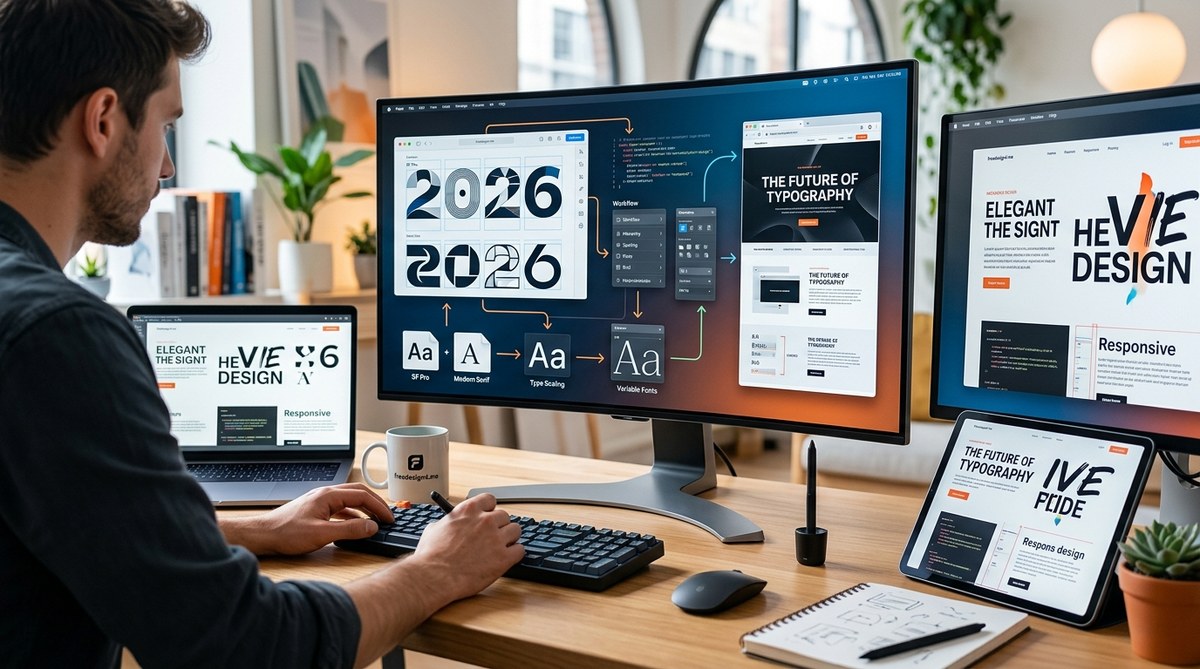
Web design in 2026 is all about making bold statements with typography. It’s no longer just about choosing pretty fonts. Modern typography shapes how users experience your website. It guides their eye, creates mood, and builds brand personality. Staying ahead means understanding the latest trends and applying them thoughtfully. Whether you’re redesigning an existing site or building from scratch, mastering typography in 2026 is essential for crafting engaging, user-friendly websites.
In 2026, modern typography web design emphasizes bold, experimental fonts, dynamic layouts, and accessibility. Applying these trends creatively will make your websites stand out and resonate with users.
Embracing New Typography Trends for 2026
The landscape of web typography is shifting rapidly. Designers are pushing boundaries with experimental fonts, variable typefaces, and immersive visual effects. Staying current requires knowing what’s trending and how to implement it effectively. Here’s a look at some of the most influential typography trends shaping web design in 2026.
How to Incorporate Modern Typography Into Your Workflow
Integrating modern typography into your projects doesn’t need to be complicated. Follow these steps to ensure your designs are fresh, accessible, and impactful.
1. Stay Updated with Trendy Fonts and Styles
Regularly browse font repositories like Google Fonts and Adobe Fonts to discover new typefaces that fit your brand voice. Look for fonts that are versatile and support variable typography. In 2026, variable fonts are a game-changer. They allow for dynamic adjustments in weight, width, and other axes, making your typography more adaptable and expressive.
2. Prioritize Readability and Accessibility
Modern typography should be easy to read across all devices. Use large enough font sizes and ample line spacing. Incorporate high-contrast color combinations and choose typefaces that support screen readers. Remember that accessibility is a key part of effective web design today. Use tools like WebAIM to test your typography choices for accessibility compliance.
3. Experiment with Layout and Composition
Typography in 2026 is less about uniform grids and more about fluid layouts. Use CSS techniques like CSS Grid and Flexbox to create dynamic text arrangements. Play with asymmetrical compositions and overlapping text blocks to add visual interest. This approach helps guide users naturally through your content and adds a modern touch to your site.
4. Incorporate Motion and Micro-interactions
Adding subtle motion to typography can make your website feel alive. Use CSS animations or JavaScript libraries to animate headings, hover effects, or micro-interactions. For example, animated typography can reinforce branding or highlight important sections. Keep effects tasteful to avoid overwhelming the user.
5. Use Contrast and Color Thoughtfully
Color plays a vital role in modern typography. Pair bold, vibrant fonts with contrasting backgrounds to enhance legibility. Consider color themes that match your brand and evoke emotional responses. In 2026, color gradients integrated with typography create immersive experiences, especially in hero sections.
6. Maintain Consistency with Design Systems
Create a typography style guide as part of your design system. Define font choices, sizes, weights, and spacing for headings, body text, and captions. Consistency helps users navigate your site smoothly and strengthens brand recognition. Use tools like Figma or Sketch to prototype and test typographic hierarchies before implementation.
Practical Techniques for Modern Typography in 2026
To help you visualize how to apply these insights, here are some techniques along with common mistakes to avoid.
| Technique | What to Do | Common Mistake |
|---|---|---|
| Use variable fonts | Incorporate variable typefaces for flexible, expressive typography | Relying solely on static fonts, limiting adaptability |
| Implement responsive typography | Use CSS clamp() or units like rem and vw for scalable text | Fixed font sizes that break on different devices |
| Experiment with layering | Overlay text on images or backgrounds for depth | Overlapping text that reduces readability |
| Animate selectively | Use animations to highlight key messages | Overdoing motion, making content hard to scan |
| Choose bold typefaces | Use heavy fonts for headings to create impact | Using overly decorative fonts for body text |
“In 2026, typography is about balancing innovation with usability. Experiment boldly, but never sacrifice clarity.” — Jane Doe, senior UX designer
Mistakes to Avoid When Using Modern Typography
While pushing boundaries is encouraged, certain pitfalls can undermine your efforts. Here’s what to watch out for:
- Overloading fonts: Using too many typefaces can clutter your design and confuse users.
- Ignoring mobile readability: Small or overly complex fonts may look great on desktop but become illegible on mobile.
- Sacrificing accessibility: Trendy fonts may look cool but can pose accessibility issues if not chosen carefully.
- Neglecting contrast: Poor color choices can diminish readability and user experience.
- Overusing animations: Excessive motion distracts from content and hampers usability.
Resources to Keep Your Typography Skills Sharp
Keeping up with evolving trends requires continuous learning. Here are some tools and resources to expand your typography knowledge:
- Typewolf for font inspiration and pairing ideas
- Google Fonts for free, open-source fonts supporting variable options
- Adobe Fonts for premium typefaces and dynamic font features
- CSS Tricks for tutorials on modern CSS typography techniques
- WebAIM for accessibility testing and tips
Final Tips for Mastering Typography in 2026
- Stay curious and experiment with new fonts and layout ideas.
- Test your designs on multiple devices to ensure readability.
- Prioritize accessibility in every project.
- Use motion sparingly to draw attention without overwhelming.
- Build a consistent style guide to keep your typography cohesive.
Elevate Your Web Design with Bold Typography Choices
Typography is the voice of your website. In 2026, it’s about making that voice loud, clear, and compelling. Incorporate experimental fonts, leverage CSS techniques, and prioritize accessibility to craft sites that captivate and serve users effectively. Remember, the best designs balance creativity with usability. Now is the perfect time to push your typographic skills further and create web experiences that stand out.
Whether you’re refreshing a current project or starting from scratch, applying these modern typography strategies will ensure your work remains fresh and impactful. Keep learning, stay inspired, and let your typography tell the story of your brand in new and exciting ways.